Wood Decks in Connecticut
Build or restore pressure-treated and cedar decks with realistic maintenance expectations and material guidance.
Pressure-Treated Lumber
Pressure-treated southern yellow pine is the most common and cost-effective decking material. Modern treatments use copper-based preservatives that are effective but require compatible fasteners — typically hot-dipped galvanized or stainless steel. Expect seasonal movement, checking and surface weathering as the wood dries and ages.
Cedar Decking
Cedar offers natural decay resistance, lighter weight and a distinctive appearance with rich grain and warm color. It requires regular sealing to maintain color and resist surface checking. Cedar is typically more expensive than pressure-treated pine but offers a premium natural look without the maintenance demands of tropical hardwoods.
When Wood Is the Right Choice
Wood is appropriate when initial cost is the primary concern, when the homeowner prefers a natural material that can be refinished, when the deck is in a shaded location where composite heat is less of a factor, or when the project timeline favors the availability and workability of wood.
Common Questions About Wood Decks
Do I need a permit to build or repair my deck?
Yes, in most Connecticut towns, any deck that attached to the house or is over 30 inches off the ground requires a building permit. Don't worry, we handle all the permit paperwork and inspections for you.
What is the best material for a deck in Connecticut?
Composite decking (like Trex or TimberTech) is highly recommended for Connecticut weather because it resists moisture, mold, and doesn't splinter. However, pressure-treated wood or cedar are excellent, cost-effective options if you are willing to keep up with bi-annual staining.
Can I just replace the top boards and keep the frame?
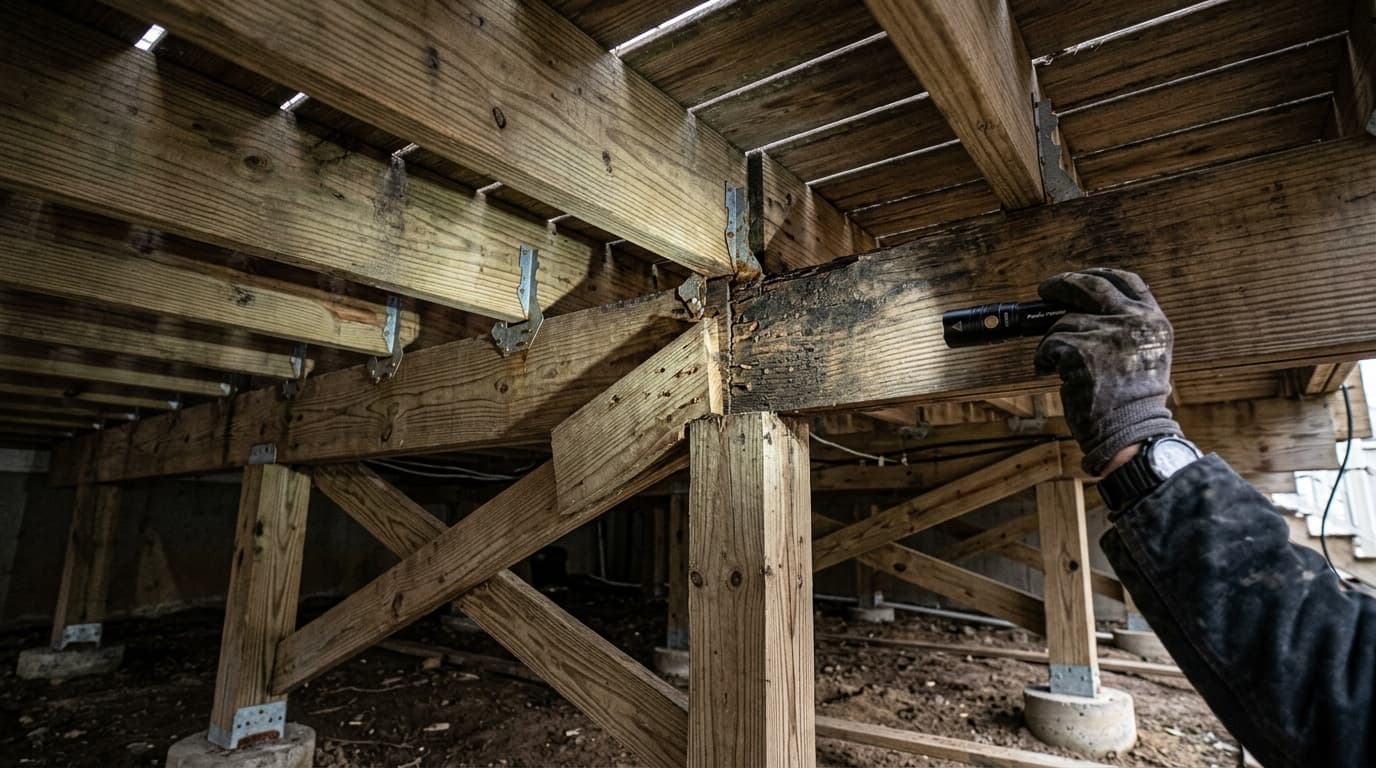
Yes! If your deck's underlying structure (joists, beams, and ledger board) is sound and properly flashed, we can perform a 'deck resurfacing.' This saves you thousands of dollars while giving you a brand-new looking deck surface and railings.
How long does a typical deck project take?
Small repairs can often be done in 1-2 days. A surface replacement might take 3-5 days. A complete custom build can take 1-3 weeks once permits are approved and materials are delivered.
Cost Factors
- Species selection (PT vs. cedar)
- Board width and grade
- Fastener type
- Staining and sealing plan
- Expected maintenance cycle
Timeline
1–3 weeks for new wood deck construction
Written Project Scopes
Every proposal defines the included work, project assumptions, selected materials, pricing and next steps.
HIC.0705773
Connecticut-registered home improvement contractor. Fully insured. Written project scopes. Repair, resurfacing and replacement options.